
Walk into almost any bike shop today and you’ll see machines that blur the line between “bicycle” and “motorcycle” more than most riders — and most laws — are prepared to handle. Some of these vehicles are genuinely e-bikes: pedal-equipped, speed-limited, and legally treated like a bicycle. Others are, functionally, unregistered electric motorcycles wearing bicycle-shaped bodywork, capable of highway speeds with no license, registration, insurance, or helmet required in many places. The difference matters enormously — for safety, for legal liability, and for what happens if you’re involved in a crash with one.
The Three-Class Framework Most States Use
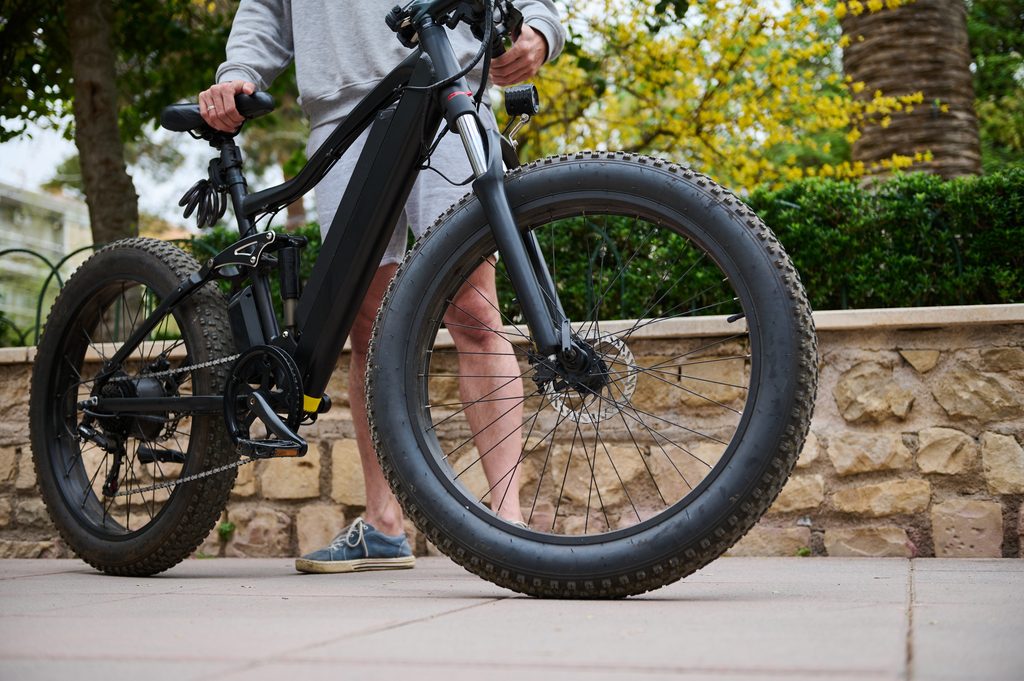
Most U.S. states that regulate e-bikes have adopted some version of a three-class framework, originally developed through model legislation that’s since been adapted state by state:
Class 1 e-bikes provide motor assistance only while the rider is pedaling, and that assistance cuts off once the bike reaches 20 mph. There’s no throttle — the motor simply amplifies the rider’s own pedaling effort.
Class 2 e-bikes also cap out at 20 mph but include a throttle, allowing the motor to propel the bike without pedaling at all, at least up to that speed limit.
Class 3 e-bikes provide pedal-assisted power up to 28 mph and are generally required to include a speedometer. Some states permit a throttle on Class 3 bikes (usually capped at a lower speed than the pedal-assist maximum), while others don’t.
This three-class system is what most people mean when they refer to a “legal e-bike.” It comes with real regulatory guardrails: a maximum motor output (typically 750 watts, though this varies), the requirement that the vehicle retain functional, operable pedals, and speed caps that keep these vehicles in a meaningfully different performance category than a motorcycle or moped.
What an “E-Moto” Actually Is
The vehicles generating the most controversy — and the most safety concern — don’t fit neatly into this framework at all. Sometimes marketed using bicycle-adjacent branding, these vehicles typically feature:
- Motors substantially exceeding the wattage limits that define a legal e-bike, sometimes several times over
- Top speeds well in excess of 28 mph, in some cases approaching or exceeding 50-60 mph
- Pedals that are non-functional, purely decorative, or removed entirely — unable to actually propel the vehicle under human power
- Seating and control layouts that more closely resemble a motorcycle or moped than a traditional bicycle
These vehicles are, in substance, unregistered off-road or street motorcycles. But because they’re sold and marketed using e-bike terminology, and sometimes ridden on bike paths, sidewalks, and streets without the license, registration, insurance, or helmet requirements that apply to actual motorcycles, they exist in a genuine regulatory gray zone — one that a growing number of state legislatures and local governments have begun trying to close.
Why This Distinction Matters for Riders and Families
For parents purchasing one of these vehicles for a teenager, the classification question isn’t academic. A vehicle marketed as an “e-bike” that’s actually an unregistered, unlicensed electric motorcycle may expose a young rider — and potentially the purchasing parent — to consequences well beyond what a typical e-bike ride would carry, including citations for operating an unregistered/unlicensed motor vehicle on public roads, and, in the event of a serious crash, questions about parental liability that don’t arise in the same way with a genuinely street-legal e-bike.
For anyone shopping for one of these vehicles, understanding the actual classification — motor wattage, top speed, whether the pedals are functional and load-bearing — before purchase is the clearest way to avoid an unpleasant surprise down the road, whether that surprise comes from law enforcement, an insurance company, or a serious accident.
How Misclassification Affects an Injury Claim
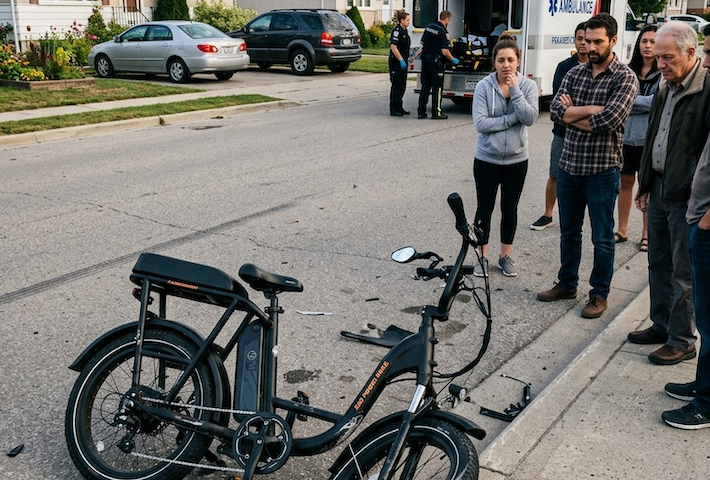
If you’re involved in a crash — whether you were riding one of these vehicles or you were hit by someone riding one — the classification question becomes directly relevant to how the incident gets evaluated:
If you were riding a genuine e-bike and were hit by a driver, the crash is generally evaluated under the same negligence framework that applies to any bicycle accident, with the driver’s conduct assessed against standard right-of-way, passing, and traffic laws.
If you were riding a vehicle that’s actually an unregistered off-road-class electric motorcycle, marketed as an e-bike, and you’re involved in a crash, the legal analysis can shift substantially. Questions may arise about whether the vehicle was legally permitted on the roadway or path where the crash occurred in the first place, whether operating it required a license you didn’t have, and whether the vehicle’s actual performance characteristics (rather than its marketing) are relevant to how the incident is reconstructed.
If you were hit while riding a legitimate bicycle or e-bike by someone operating a misclassified e-moto, the operator’s use of an unregistered, high-powered vehicle on a public road or path can itself be relevant evidence of negligence, and in some cases may support claims against the retailer or manufacturer for how the vehicle was marketed and sold, separate from any claim against the rider personally.
The Product Liability Angle
Beyond the immediate question of who’s at fault in a specific crash, the marketing gap between “e-bike” and “e-moto” has increasingly become its own source of legal exposure for retailers and manufacturers. Consumer protection claims have started to focus on whether these companies adequately disclosed a vehicle’s true classification, performance capabilities, and legal status at the point of sale — particularly in cases involving underage riders and vehicles sold without clear disclosure that they don’t meet the legal definition of a bicycle in the jurisdiction where they’re being sold.
What This Means for Families Considering a Purchase
A few practical questions are worth answering before buying any electric two-wheeled vehicle marketed toward younger riders:
- What is the actual motor wattage? Compare it against your state’s legal e-bike wattage cap, not just the manufacturer’s marketing description.
- What is the actual top speed, and under what conditions? A vehicle that reaches 40+ mph under throttle power alone is not functioning as a Class 1, 2, or 3 e-bike, regardless of how it’s labeled.
- Are the pedals functional and capable of actually propelling the vehicle, or are they cosmetic?
- Does the vehicle require registration, a license, or insurance in your state, based on its actual specifications rather than its marketing?
- Where is the vehicle legally permitted to operate — public roads, bike paths, off-road trails, or private property only?
What to Do After a Crash Involving a Potentially Misclassified Vehicle
- Document the vehicle’s actual specifications as thoroughly as possible — photographs of any visible motor or wattage labeling, the presence or absence of functional pedals, and any branding or model information.
- Preserve any purchase documentation, receipts, or marketing materials if you or a family member owns the vehicle involved, since these can be relevant to how the vehicle was represented at the time of sale.
- Note the specific location of the crash — road, bike path, sidewalk, or trail — since where the vehicle was legally permitted to operate is directly relevant to the analysis.
- Get contact information for any witnesses.
- Seek medical attention promptly and file a police report.
- Speak with an attorney about classification early, since it can meaningfully affect which legal theories and potentially liable parties apply to your case.
Frequently Asked Questions
Is every fast-looking electric bike automatically an “e-moto”?
No. Some legitimate, fully compliant e-bikes are marketed with aggressive styling that makes them look more like a motorcycle than a traditional bicycle, even though they meet all the legal requirements of their class. Appearance alone isn’t determinative — actual motor wattage, top speed, and pedal functionality are what matter legally.
Can a retailer be held responsible if they sold a misclassified vehicle without disclosing its true nature?
This is an evolving and increasingly active area of consumer protection and product liability law. Depending on the specific facts — what was disclosed at the point of sale, how the vehicle was marketed, and what representations were made — a retailer or manufacturer may face legal exposure separate from any claim against the rider. This is worth discussing with an attorney if it’s relevant to your situation.
Do the same helmet and safety equipment rules apply to e-motos as to legal e-bikes?
Generally, no. Because these vehicles typically fall outside the legal definition of a bicycle, the equipment, licensing, and insurance requirements that would normally apply to a genuine motorcycle or moped can apply instead — creating potential liability exposure for operating without meeting those requirements.
If my teenager was riding a misclassified e-moto and caused a crash, am I liable as the parent?
This depends heavily on the specific facts, including your state’s general rules around parental liability for a minor’s actions and whether you knew or should have known about the vehicle’s true classification at the time of purchase. This is a fact-specific question best discussed directly with an attorney.
How can I tell if a specific model is a legal e-bike before I buy it?
Look for the manufacturer’s stated motor wattage and top speed specifications, and compare them against your state’s e-bike classification requirements. If a listing is vague about these specifications, or emphasizes off-road/dirt-bike-style performance and styling, that’s worth treating as a red flag warranting further research before purchase.
Does insurance treat e-bikes and e-motos differently if I’m hit while riding one?
Generally, yes, and significantly so. A legally classified e-bike is typically treated similarly to a traditional bicycle for insurance purposes, including Med Pay, PIP, or health insurance coverage. A vehicle that’s actually an unregistered electric motorcycle may fall outside these categories entirely, potentially requiring motorcycle-specific insurance that most riders of these vehicles don’t carry, which can create significant coverage gaps after a crash.
Are local governments doing anything to address the e-moto classification problem directly?
Yes, an increasing number of cities and counties have begun enforcement efforts specifically targeting unregistered, high-powered electric vehicles being ridden on streets, sidewalks, and bike paths, sometimes in response to a specific serious crash or a pattern of complaints. These local enforcement approaches vary considerably and continue to evolve as this category of vehicle becomes more common.
The Bottom Line
The line between a legal e-bike and an unregistered electric motorcycle isn’t always obvious from a product listing or a showroom floor, but it carries real legal weight — for licensing, for where the vehicle can be ridden, and for how a crash involving one gets evaluated. Understanding the actual classification of a vehicle, rather than relying on how it’s marketed, is an essential first step for any family considering a purchase, and a critical piece of any legal claim arising from a crash involving one of these vehicles.
Lawyers 4 Cyclists represents injured riders nationwide. If you’ve been in a crash involving an e-bike, e-moto, or any electric two-wheeled vehicle and have questions about how classification might affect your claim, we’re happy to help. Contact us for a free case evaluation.This article is provided for general informational purposes and does not constitute legal advice. E-bike classification laws vary by state and change frequently as legislatures respond to this evolving category of vehicles. You should consult with a licensed attorney about the specific facts of your situati